

OTH Publishing proves that experience is the perfect partner for ambition
Start where you are.
Use what you have.
Do what you can.

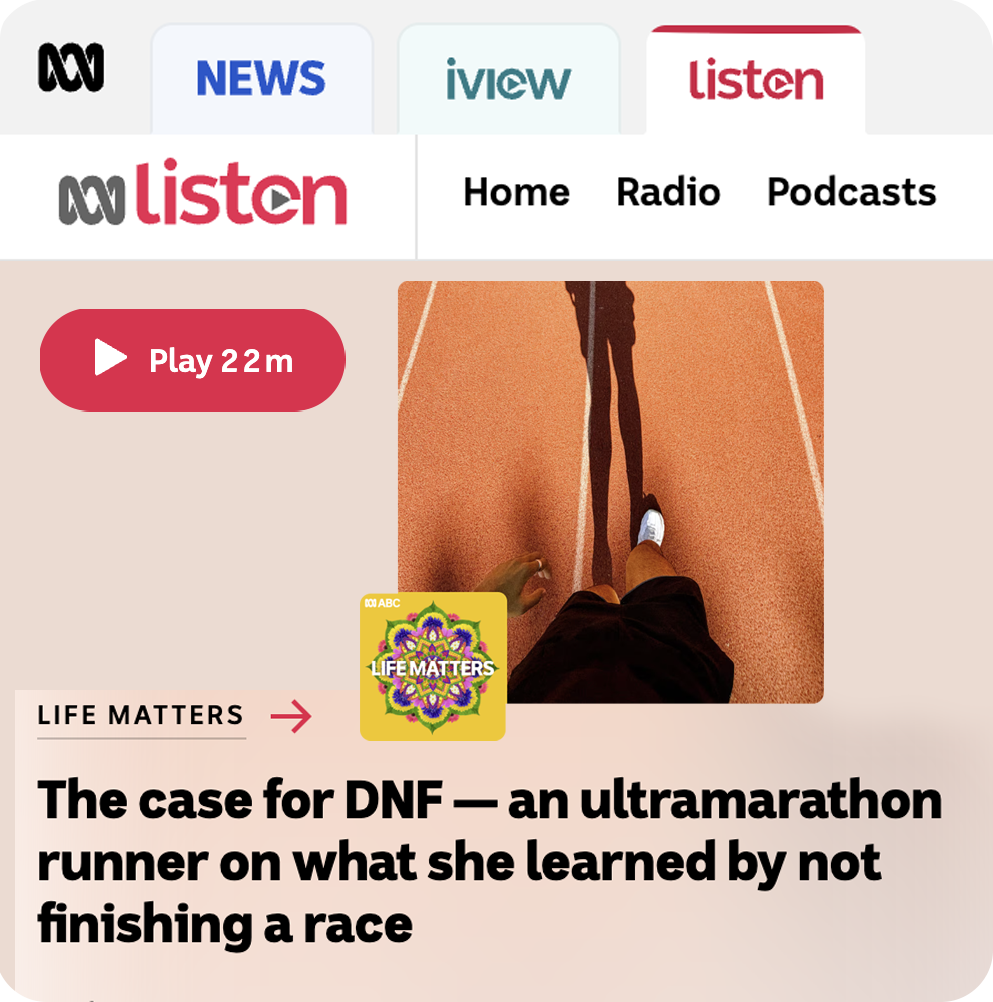
Listen to our interview on the ABC
The case for DNF — an ultramarathon runner on what she learned by not finishing a race.
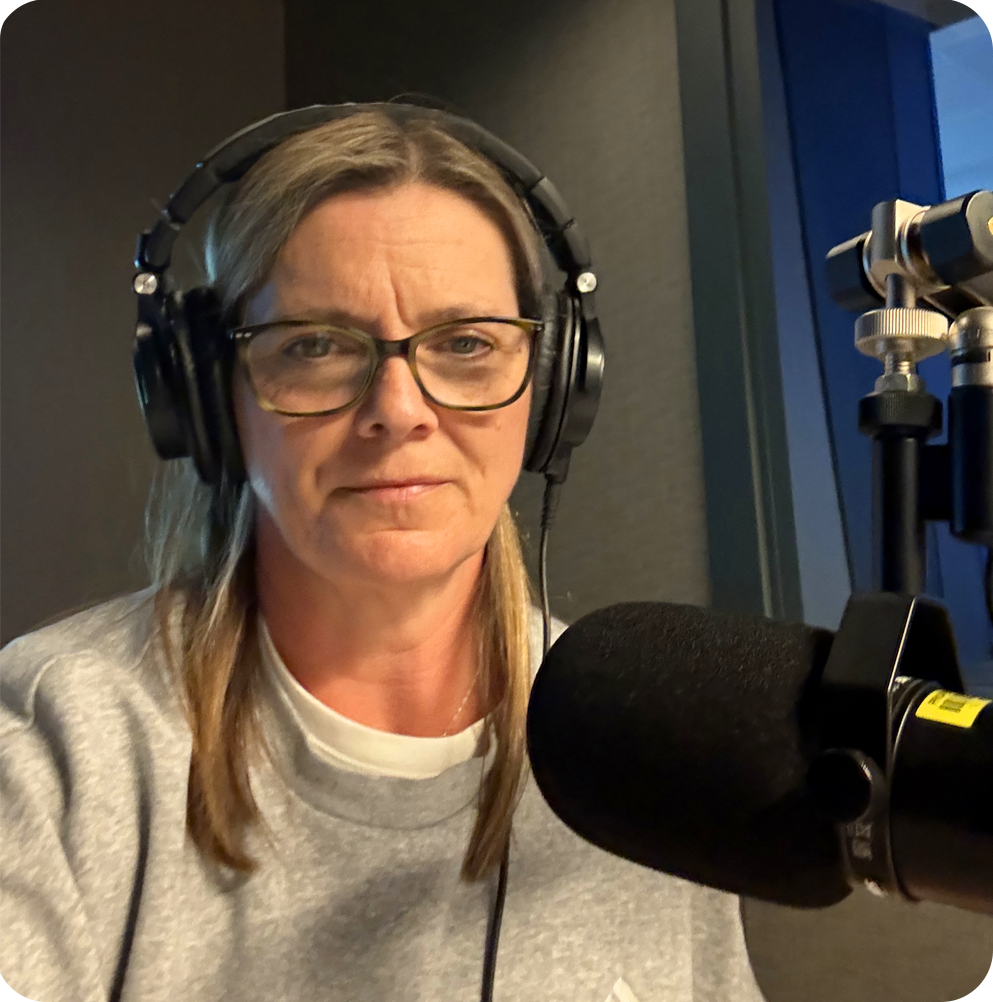


See our article in The Guardian
Ultramarathon runners train for months, sometimes years. But what happens when they don’t finish a race?

RECENTLY PUBLISHED
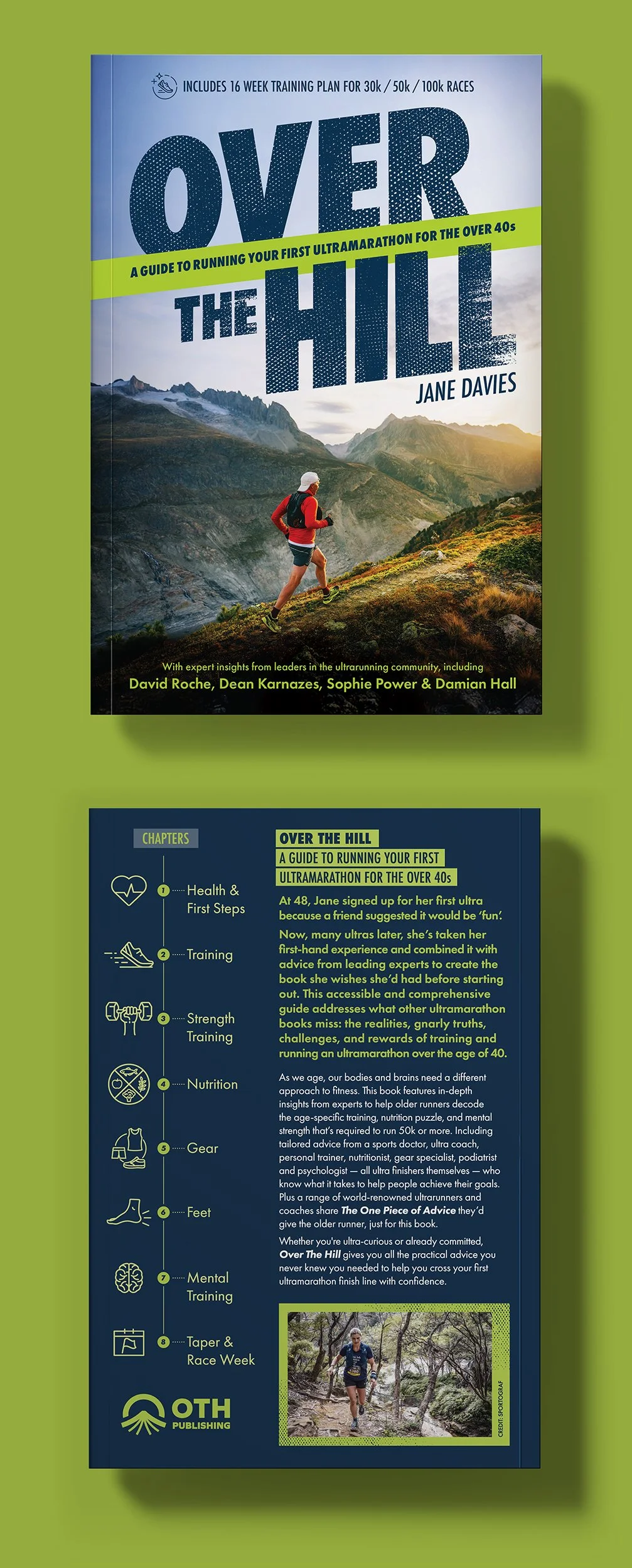
Over The Hill: A Guide to Running Your First Ultramarathon for the Over 40s
by Jane Davies
Available to buy now
—
Available to buy now —
I didn't run my first ultramarathon until I was 48. If you'd told my younger self that this would happen, she wouldn't have believed you. But here's what I've learned: the right guidance, the right mindset, and the right community can help you achieve something you never thought possible.
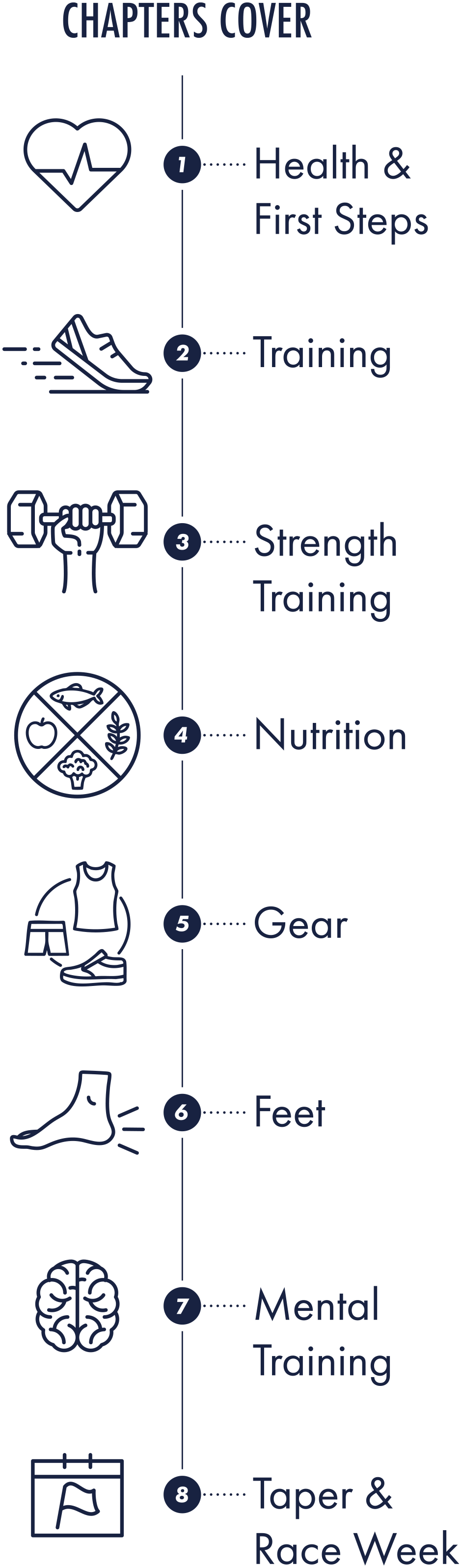
This book is your companion for that journey. It covers everything you need to know—from health and training to strength work, nutrition, gear, foot care, mental resilience, and race day. But it's more than just my voice. Each chapter features expert contributions from professionals who have run ultras themselves, bringing real-world wisdom to every topic.
You'll also find something special: unique advice from well-known figures in the ultrarunning community, each sharing their One Piece of Advice for older athletes training for their first ultra.
Whether you're curious, committed, or somewhere in between, this book will meet you where you are.
-
If you’re a retailer and you’d like to order multiple copies, you can place your wholesale order through Ingram Spark.
Retailers ordering through Ingram Spark receive a wholesale discount.
If you already have an Ingram Spark iPage account, simply log in and search for Over The Hill. https://ipage.ingramcontent.com/ipage/auth/login
If you’re new to Ingram Spark and would like to set up an account to go to https://www.ingramcontent.com/get-started

About us
OTH Publishing is an independent publishing house created in 2026 by writer and author Jane Davies.
It started with an idea for a book. Turning that idea into an actual book meant getting creative, so OTH Publishing was born.
Now we’re here, why stop at one idea?
Frequently Asked Questions
-
A marathon is a fixed 42.2km, usually a road race. An ultramarathon is any run longer than that, so typically 50km, 50 miles, 100km or 100 miles, usually on trail rather than road. Then you get into multi-day races, which are another beast altogether.
Ultras usually involve walking, we like to call it hiking, sections, aid stations with real food, and far more variation in terrain, elevation and pacing. Training and race day strategy for an ultra looks and feels a lot different to a road marathon.
-
No, definitely not. Look around you at the start of an ultra and there’s a large proportion of older athletes. Here’s a science-y bit. Skip it if you want to.
A 2020 study in the Journal of Strength and Conditioning Research (Zingg et al.) found that among elite 100km finishers, peak performance occurs at 39 for women and 41 for men — but among all finishers, not just the fastest, peak performance actually occurs later, around 40–44 for women and 45–49 for men. In other words, the research on elite times shows ultrarunning ability holding strong right through the age most people worry is "too late," and the data on everyday finishers suggests performance keeps improving well beyond 40. More broadly, ultrarunning is widely reported to attract a large proportion of first-timers who are in their late 30s and 40s. Training and recovery may need an approach naturally more targeted after 40, but there's no age at which starting becomes genuinely too late.
Source: Zingg MA, Rüst CA, Rosemann T, Knechtle B. "Performance in 100-km Ultramarathoners—At Which Age, It Reaches Its Peak?" J Strength Cond Res. 2020;34(5):1409-1415.
-
Most coaches recommend 50km as the standard entry point for a first ultramarathon.
This is long enough to be a genuine challenge and step up from a marathon, but achievable within six to nine months of structured training for most reasonably fit beginners and runners with some experience.
Many Australian races offer a 50km distance or shorter options (11k, 22k, 30k) specifically for first-timers and those wanting to toe-dip into ultra territory.
-
Most first-time ultramarathon runners train for four to six months, depending on running background and target distance. Runners coming from a few years of a marathon running and a solid base of training may need less time.
Complete beginners typically need closer to six months to build the endurance base and injury resilience an ultra demands. I would always recommend several years of consistent running and racing before attempting an ultra, whatever age runner.
-
Training after 40 generally means lower weekly mileage with more recovery built in. There’s a greater emphasis on strength training to protect joints and connective tissue, and closer attention paid to sleep and nutrition.
The margin for training errors narrows with age, but experience in pacing and self-management often more than makes up for it.
-
Over the Hill is written for runners over 40 considering or actively training for their first ultramarathon. It's for people who may already run, but want guidance built specifically around an older body, a busier life, and the realities of starting something big later than most ultrarunning books assume.
There’s real life experience combined with expert knowledge so you get the best of both worlds. Runners considering their first time doing a trail race could also find it useful.
-
The book has eight chapters: Health, Training, Strength Training, Nutrition, Gear, Feet, Mental Training and Race Day. Each chapter opens with author Jane Davies's own experience, then hands over to an expert contributor — a physician, coach, strength trainer, nutritionist, gear expert, podiatrist and psychologist.
These experts have also all run an ultramarathon themselves. Except the psychologist who is way too sensible.
-
Essentials include proper trail running shoes with good grip, a hydration vest or pack, moisture-wicking clothing, a headlamp for early starts or night sections, and blister-prevention gear for your feet.
Specific requirements vary by race and distance and most events publish a mandatory kit list you're required to carry. Yes, you might have to spend some money but consider if there’s any kit you can reasonably borrow (like a hydration vest) or you already have (you don’t need a new t-shirt).
-
Ultramarathons require eating both real food and gels, and carbohydrate/electrolyte drink, while moving. You’ll usually carry your own gels that your gut is used to as you’ve practised during training, and aid stations will typically offer options like fruit, salted potatoes crisps, sweets and hot drinks alongside some sports nutrition products.
Most runners aim for a minimum of 60 grams of carbs per hour, but this varies wildly depending on the runner and the conditions and should be adjusted through training to find what their stomach tolerates at race pace.
-
Mental preparation happens organically during long training runs as you get used to spending long periods of time on your feet. During a race popular mental strategies include breaking the race into smaller sections rather than thinking about the full distance, and using a mantra that works for you.
Practise how you'll respond to low points in training, and build a race-day mantra or plan and expect some low points. Many runners find the psychological challenge of an ultra greater than the physical one.
-
Recovery after an ultramarathon can easily take two to four weeks or longer, and should include several days of complete rest, then only gentle movement like walking. Sleep should be prioritised, and a very gradual return to running.
Don’t jump straight back into training. Listen to your body and understand that recovery generally takes longer for runners over 40.
-
Yes, Over the Hill is available as a Kindle ebook alongside the paperback edition, published by OTH Publishing.
Contact Us
Want to join the OTH family, interested in working together, want to chat about speaking engagements or just go for a run? Get in touch.
Follow us on social